
Do You Need a Guide to Trek in Nepal in 2026?
The licensed-guide rule explained simply: where it applies, why it exists, what it costs, and what a good guide actually does all day.
Read article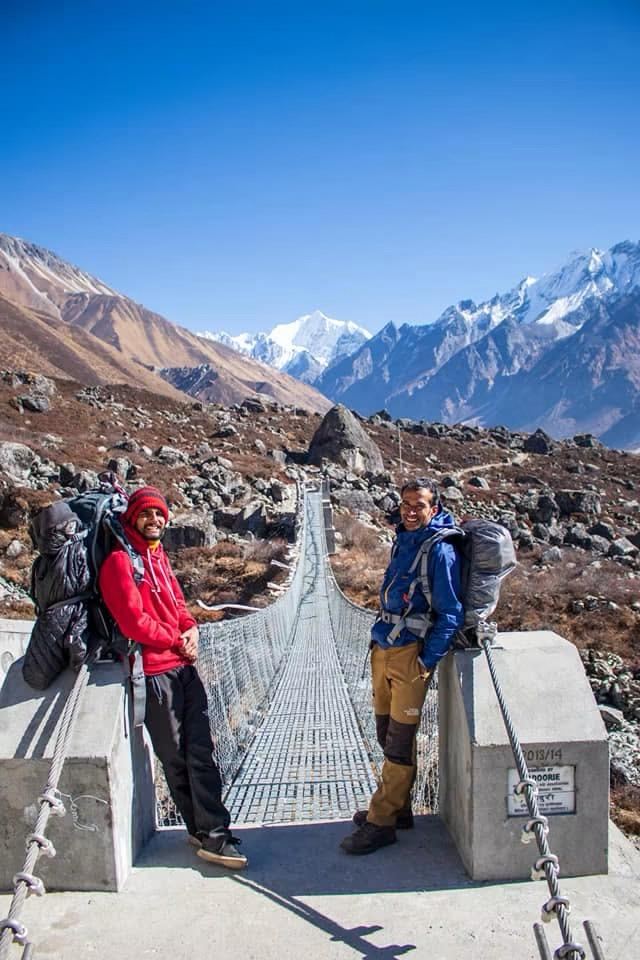
Every season we walk guests up the Khumbu who have dreamed about this trail for years, and every season the same questions come up in the first teahouse. So here it is: everything we tell our own guests about Everest Base Camp, in one honest guide.
The classic trek starts with a 35-minute mountain flight from Kathmandu (or nearby Ramechhap in peak season) to Lukla at 2,860 m. From there you walk up the Dudh Koshi valley through Phakding to Namche Bazaar, the amphitheatre-shaped Sherpa capital, then on through Tengboche, Dingboche and Lobuche to Gorak Shep. The last lodges, and finally Base Camp itself at 5,364 m. Most people climb Kala Patthar (5,545 m) the next dawn for the best view of Everest, then walk out in three days. Our standard plan is 14 days door to door, including two acclimatisation days that we consider non-negotiable.
No technical climbing, no ropes, just walking. The difficulty is altitude and repetition: five to seven hours a day, day after day, with about half the oxygen you are used to near the top. If you can comfortably hike 5–6 hours at home, and you give the itinerary its rest days, you can do this. The people who struggle are almost always the ones who rushed the schedule, not the ones who lacked fitness.
October–November gives the most stable, crystal-clear weather; March–May adds warmth and rhododendron blossom lower down. December–February is cold but gloriously quiet, and we happily run winter departures for well-equipped trekkers. The monsoon months of June–September bring clouds and flight delays, for that window we usually point guests to Upper Mustang in the rain shadow instead.
You need the Sagarmatha National Park permit and the Khumbu Pasang Lhamu municipality fee, and since 2023 foreign trekkers are required to walk with a licensed guide on Nepal's main trails. When you trek with us all of it is arranged before you land, details in our permits guide.
Budget realistically for three things: the package (guide, porter, permits, lodging, meals on trek, Lukla flights), personal spending on the trail (USD 10–20 a day covers hot showers, Wi-Fi, charging and snacks), and travel insurance that covers helicopter evacuation up to 6,000 m, mandatory on every Reet Trails trek. We quote one all-inclusive price in writing before you book, and it does not change afterwards.
Give Everest 14 days, walk slowly, drink constantly, and let a local crew handle the logistics. The mountain does the rest.
Thinking about it for this year? Send us your dates and fitness level and we will reply with a real, personalised plan, start with the full itinerary here.
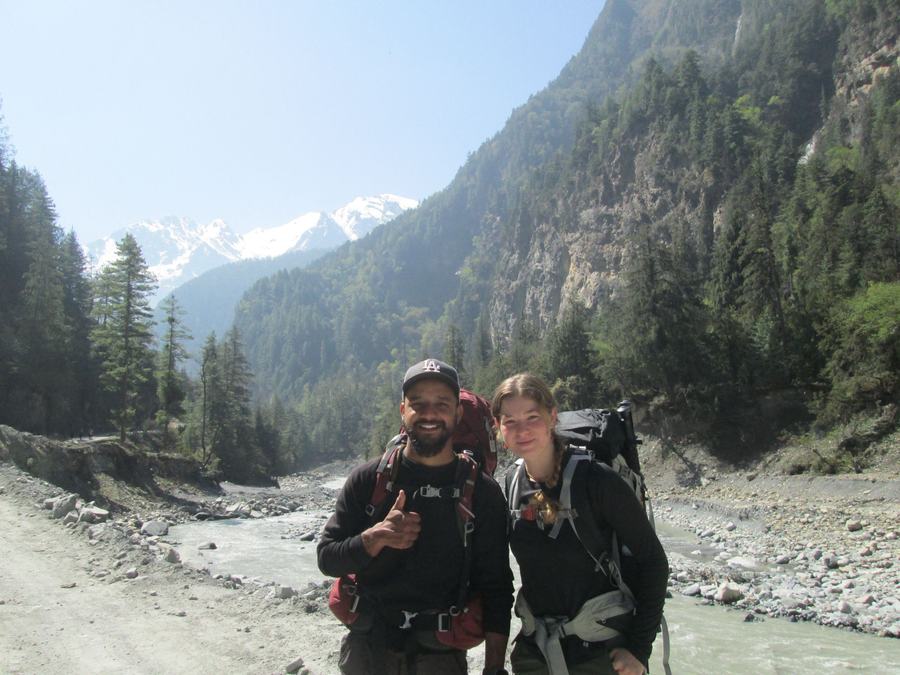
The licensed-guide rule explained simply: where it applies, why it exists, what it costs, and what a good guide actually does all day.
Read article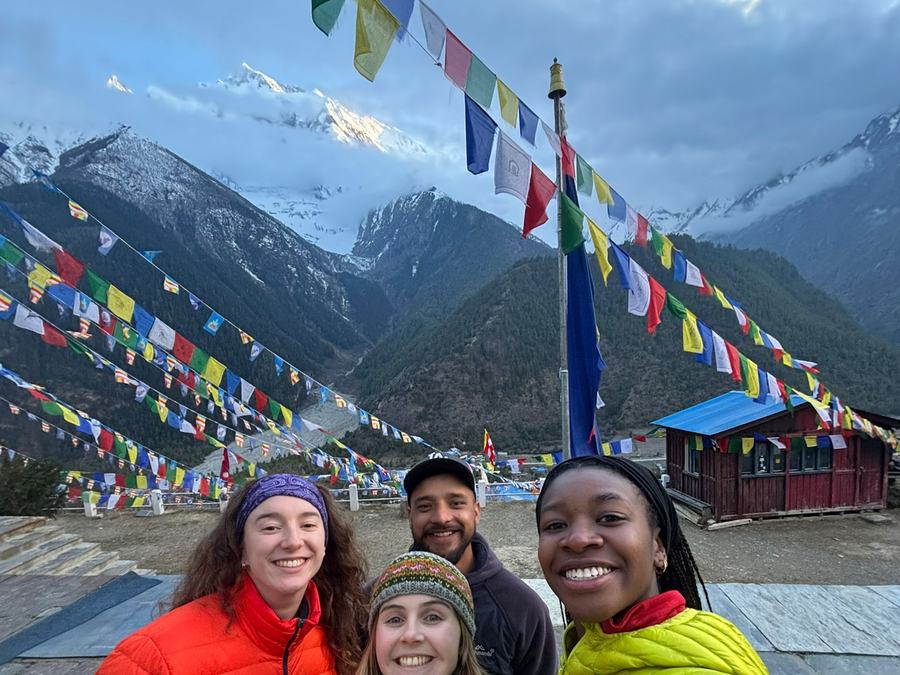
Two iconic base camps, two very different journeys. We guide both every season. Here is the honest comparison we give our own guests.
Read article