Everest Base Camp Trek: The Complete 2026 Guide
Everything you need to plan the classic trek to Everest Base Camp, route, costs, permits, training, packing and the mistakes we see every season.
Read article
Nothing on a Himalayan trek matters more than this topic, so we will be direct, the way we are at our pre-trek briefings. Altitude sickness is common, usually mild, occasionally dangerous, and overwhelmingly preventable with patience and honesty.
Above roughly 2,500 m the air holds progressively less oxygen, and your body needs days, not hours, to adapt. Push higher faster than it can adjust and you get Acute Mountain Sickness (AMS): headache, nausea, poor appetite, unusual fatigue, broken sleep. Fitness does not protect you; marathon runners get AMS while grandmothers stroll past them. Rate of ascent is almost everything.
Mild AMS. A headache that eases with fluids, rest and basic painkillers, means stop ascending and stay at the same sleeping altitude until it clears. Worsening symptoms mean descend, immediately, whatever the itinerary says. The serious forms, HAPE (fluid in the lungs: breathlessness at rest, wet cough) and HACE (fluid around the brain: confusion, stumbling like intoxication), are emergencies where descent and evacuation come before everything else. This is why insurance with helicopter cover is mandatory on our treks.
Itineraries built to the ascent rules above; a pulse oximeter and evening check-ins for every guest above 3,500 m; guides trained to recognise AMS early and empowered to change the plan without penalty to you; first aid kits on every trek; and a 24/7 Kathmandu coordinator who can trigger an evacuation within minutes. In years of high treks, EBC, Thorong La, Larkya Lathis protocol has kept our record where we intend it to stay.
Walk slower than you think you need to, drink more than you think you need to, and say something sooner than you think you need to. The summit photos take care of themselves.
This article is general information from our field experience, not personal medical advice, talk to a travel-medicine professional about your own health before trekking, especially regarding preventive medication.
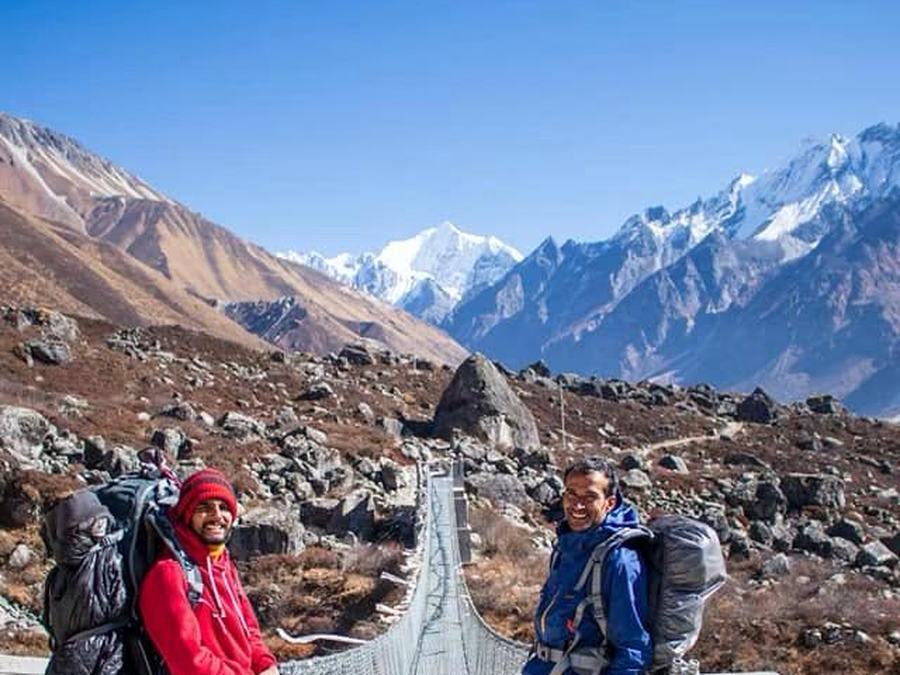
Everything you need to plan the classic trek to Everest Base Camp, route, costs, permits, training, packing and the mistakes we see every season.
Read article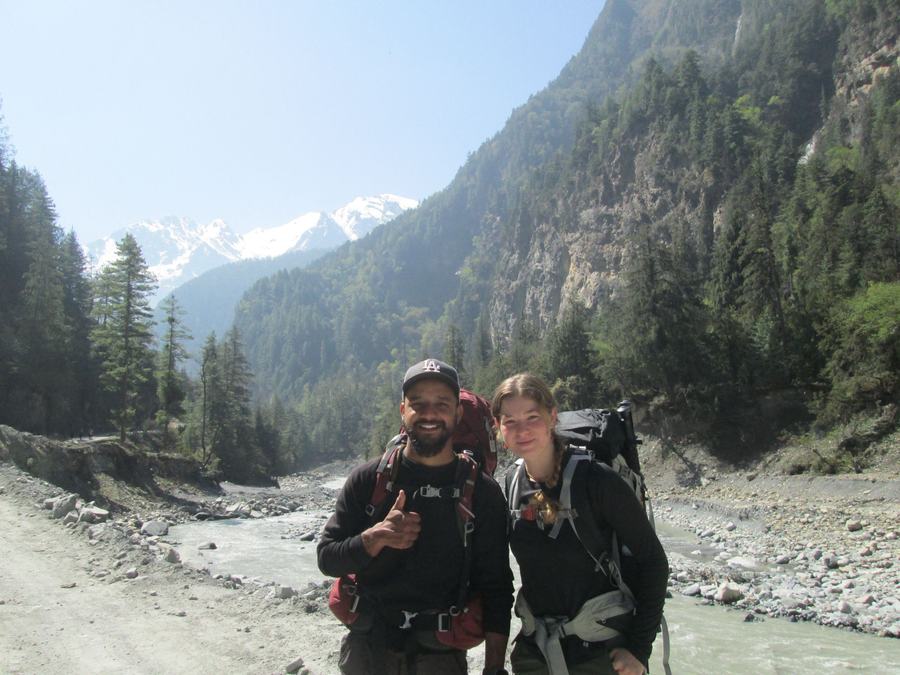
The licensed-guide rule explained simply: where it applies, why it exists, what it costs, and what a good guide actually does all day.
Read article